Tooth Extraction
Thoughtful Care for Every Smile

Our team aims to make tooth extraction as comfortable and straightforward as possible.

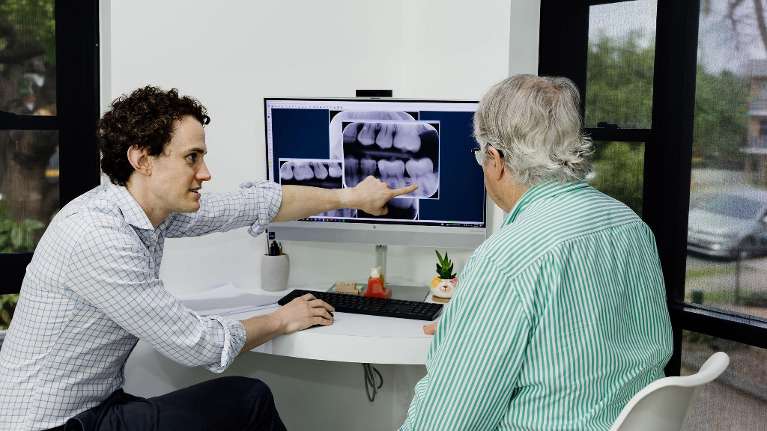
A man in front of a computer, reviewing information about tooth extraction at Northside Dental Solutions, Clayfield.

Safe and Comfortable Tooth Extraction Services in Clayfield

At Northside Dental Solutions, the focus is on supporting long-term oral health and helping you maintain your natural teeth wherever possible. In some situations, a tooth may not respond to other forms of treatment. 

In these cases, your dentist may discuss tooth extraction as part of your care plan. Tooth extraction is generally considered after a clinical assessment and when other treatment options are not suitable.

When We Might Recommend a Tooth Extraction

Your dentist in Clayfield, QLD, may recommend removing a tooth when it cannot be restored or maintained in a way that supports your oral health. This decision is based on your individual circumstances, symptoms and examination findings. 

Some examples include:

  • Crowding — If your teeth are crowded, we may consider removing a tooth as part of an orthodontic plan. This can help create space for alignment and improve overall function.
  • Infection — If an infection extends beyond what can be managed with treatments such as root canal therapy, removing the tooth may help limit the spread of infection to surrounding areas.
  • Severe Decay or Fracture — If decay extends deep below the gumline or a fracture reaches the root, restoring the tooth may not provide a long-term solution. In these situations, your dentist may discuss removal and replacement options.
  • Wisdom Teeth (Third Molars) — Wisdom teeth may be removed if they are difficult to clean, impacted, contributing to crowding or placing pressure on neighbouring teeth.
  • Advanced Gum Disease — In cases of advanced periodontal disease, a tooth may lose the support of surrounding bone and tissue. If the tooth becomes unstable, extraction may be considered.

3 Reasons Not to Delay a Tooth Extraction

If a tooth has been identified for removal, your dentist may recommend timely treatment to help reduce the risk of further oral health concerns.
Stops Infection
A tooth infection, left untreated, could move into neighbouring teeth or other critical areas of your body.
Relieves Pain
Removing a tooth can relieve the pain and discomfort caused by damage or an infection.
Avoids Further Damage
Removing a tooth protects surrounding teeth from infection that can spread and cause damage if left untreated.

Frequently Asked Questions

The primary goal in dentistry is to preserve natural teeth whenever feasible, as they are essential for functions like chewing and for aesthetics, such as smiling. However, there are specific circumstances where a tooth extraction becomes the necessary course of action.

A tooth extraction is typically recommended when a tooth is severely compromised by extensive decay or infection to the point where restoration is not viable. This also applies if a proposed treatment has a poor or uncertain long-term prognosis. In such cases, investing significant resources into saving a tooth that is unlikely to last for a reasonable period may not be the most practical or beneficial option for the patient. Therefore, the decision to extract a tooth is made when its condition is too advanced for successful treatment or when the outlook for its longevity is very low.


A tooth extraction should not be a painful procedure. Before we remove a tooth, the entire area is thoroughly anaesthetised, or numbed, using a local anaesthetic. It is possible to numb any tooth sufficiently to ensure that no pain is felt during the extraction process.

However, one sensation that cannot be completely eliminated by the anaesthetic is pressure. The nerve fibres that detect pressure are different from those that transmit pain. While we can effectively block the pain nerve fibres, the pressure-sensing nerve fibres are not affected in the same way. Therefore, during a tooth removal, you may feel sensations of pushing or pressure, but you should not experience any actual pain.


Recovery after a tooth removal varies depending on several factors. Generally, younger individuals tend to heal faster. Your overall medical condition also plays a significant role; for instance, conditions like diabetes or any state that compromises the immune system can delay the healing process. The complexity of the procedure is another key factor. The recovery period is influenced by the type and number of teeth extracted. Larger teeth or multiple extractions will naturally require a longer time to heal. Top teeth typically heal more quickly than bottom teeth, with lower wisdom teeth having the longest recovery time.

For a simple, single tooth extraction, one day off work is usually sufficient. Most daily activities can be resumed shortly after, though pain medication might be necessary for comfort. However, for more complex procedures like surgical extractions or the removal of certain wisdom teeth, a few extra days of rest will be required to ensure proper healing.

Following a tooth removal, it is crucial to refrain from eating or drinking anything, including water, for a period of four hours. This allows the blood clot, which is fundamental for healing, to properly form and stabilise, thereby initiating the healing process. Disturbing this clot can result in a painful condition known as a dry socket, which significantly delays recovery. Therefore, it is highly recommended to ensure you are well-nourished and hydrated before your tooth extraction appointment to support optimal healing post-procedure.

There are several key indicators that suggest wisdom teeth may require removal. The primary reason for extraction is often pain. This discomfort can arise when wisdom teeth become difficult to clean due to their position at the back of the mouth, leading to tooth decay. Pain can also originate from the gum tissue surrounding a partially erupted wisdom tooth, as this area is prone to inflammation and infection due to cleaning difficulties.

Another common reason for removal is when wisdom teeth cause irritation by pushing against the cheeks or gums. Furthermore, extraction may be necessary if their inaccessibility for proper cleaning poses a risk to the adjacent teeth, potentially causing them to develop decay.

It is important to understand that not all wisdom teeth need to be removed. The decision is based on a careful assessment of the risks and benefits. We typically recommend extraction only for teeth that are currently causing problems or are highly likely to cause issues in the future. To determine if your wisdom teeth require removal, a professional evaluation is essential. It is best to schedule a consultation with one of the dentists at Northside Dental Solutions for a thorough examination and personalised advice.


A Tailored Approach to Your Care

Your dentist in Clayfield will explain the reasons for recommending an extraction and discuss the available options with you. This may include outlining the procedure, any next steps, and options to replace the tooth if appropriate. 

During the Procedure

If a tooth requires removal, your team at Northside Dental Solutions focuses on providing care in a supportive, considerate environment. We use a local anaesthetic to numb the area before the procedure. Your dentist will monitor you throughout your appointment and adjust as needed to support your comfort.

After the Procedure

After your procedure, you will receive clear instructions on caring for the area as it heals. This may include guidance on eating, cleaning your teeth and managing the site in the days following treatment. Following these instructions can help reduce the risk of complications.

If you have questions or notice any changes during your recovery, the team at Northside Dental Solutions can provide guidance and support. If you or a family member has been advised that a tooth may need to be removed, speaking with your dentist in Clayfield can help you understand your options and plan your care.

At Northside Dental Solutions, we tailor your care to your individual needs, with a focus on clear communication and informed decision-making at every stage.
  • Dr Adelaide Smith BDSc

    I am a passionate dentist at Northside Dental Solutions, where I've been practising since March 2022. Working here is truly my dream job! I love helping patients achieve their dental ...

    Read More
  • Dr Priyena Winterbottom BDS Otago, MRACDS (PDS)

    For me, being a Dentist at Northside Dental Solutions is about more than just clinical treatment—it's about connecting with the person behind the smile. I believe in patient-centered care, and ...

    Read More
  • Dr Yohan Joo BOralH.DSc, GDipDent

    I grew up in Brisbane and moved to Gold Coast to study dentistry at Griffith University. Upon graduation, I have worked in both public and private surgeries in rural and ...

    Read More
  • Dr Trent Davidson BDSc (Hons) GradDipPsych

    I am a compassionate general dentist and the proud owner of Northside Dental Solutions. Since joining our Clayfield dental practice in 2018, I have focused on making dentistry accessible and ...

    Read More

Caring for Your Teeth After a Tooth Extraction

After a tooth extraction, following your dentist’s instructions helps support healing and reduce the risk of complications. At Northside Dental Solutions, patients receive tailored guidance based on their individual treatment. 

In general, the first 24 to 48 hours are important for protecting the extraction site and allowing a blood clot to form.

  • Protect the area. — Avoid rinsing, spitting or using a straw on the day of your procedure, as this may disturb the healing site. Try not to touch the area with your fingers or tongue.
  • Manage bleeding. — Some light bleeding is common. Your dentist may place gauze over the area for you to bite on. If bleeding continues, replacing the gauze and applying gentle pressure can help.
  • Eat and drink carefully. — Stick to soft foods such as yoghurt, soup or mashed vegetables for the first day or two. Allow hot food and drinks to cool slightly before consuming. Avoid hard, crunchy or chewy foods that may irritate the area.
  • Keep your mouth clean. — Continue brushing and flossing your other teeth as normal, but take care to avoid the extraction site. From the following day, your dentist may recommend gentle rinsing with warm salt water to help keep the area clean.
  • Rest and recovery. — Limit strenuous activity for the first 24 hours, as this can increase bleeding. Keeping your head elevated when resting may also help.
  • Take medications as directed. — If your dentist recommends pain relief or other medications, follow the instructions provided. If you have any questions, your dental team can guide you.
  • Know when to seek advice. — If you experience increasing pain, swelling, persistent bleeding or any unusual symptoms, please contact your dentist for further advice.

Following these steps supports healing and helps you return to your usual routine as comfortably as possible.

Comfortable Tooth Extractions in Clayfield, QLD

Have you been advised that a tooth may need to be removed, or are you experiencing discomfort and would like an assessment? Our team at Northside Dental Solutions is here to offer our guidance. We take the time to understand your concerns, explain your options and outline what to expect at each stage of your care.

We invite you to contact our team to arrange an appointment or to discuss your situation. We can guide you through the next steps and help you plan care that suits your individual needs.

This information is general in nature and does not replace personalised advice. A dental assessment is required to determine the most appropriate treatment for your individual circumstances.